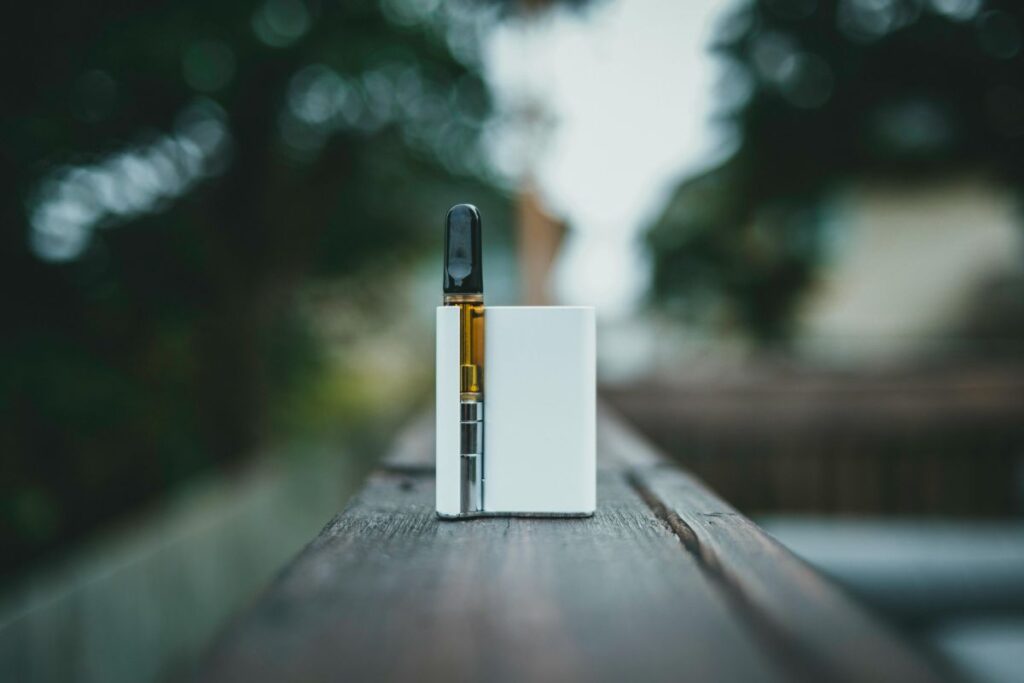
Vaping sits at the intersection of youth protection, public health, and harm reduction as governments race to regulate expanding e-cigarette markets. Policymakers debate advertising, nicotine strength, and public-use bans while balancing adult access for smokers seeking lower-risk alternatives.
The Current Landscape of Vaping Regulations
Today’s policy environment mixes partial bans with nuanced rules on e-liquid, flavour, and nicotine content. Many jurisdictions treat vapes like tobacco with age limits, advertising restrictions, and indoor prohibitions, though compliance and enforcement vary widely by region.
Overview of Vaping Laws Globally
Rules range from outright bans to regulated retail with warning labels and nicotine caps. Divergent frameworks reflect differing views on addiction, harm, and smoking cessation, with many places focusing on youth protections through sales and advertising limits.
Regional Differences in Regulation
Approaches diverge sharply by country: the UK emphasizes harm reduction, Ireland prioritizes indoor/workplace rules, and the US focuses on enforcement against flavors and specific brands, with some regions eyeing prescriptions or disposable vape bans.
| Country/Region | Primary Focus |
|---|---|
| UK | Harm reduction |
| Ireland | Indoor and workplace rules |
| US | Enforcement against flavors and specific brands of e-cigarettes to combat the vaping epidemic. |
| Some regions | Considering prescriptions, disposable vape bans, and the impacts of vaping on young people. |
Impact of Tobacco Legislation on Vaping
Legacy tobacco laws often extend to e-cigarettes—on advertising, smoke-free spaces, and taxes—reducing public exposure but potentially limiting cessation if adult access narrows.
Public Perception and the Push for a Vaping Ban
Public opinion is split between curbing youth vaping and recognizing e-cigarettes’ potential role in quitting smoking, particularly in the context of the vaping epidemic. Many support indoor/public prohibitions to protect non-users, while others stress maintaining adult access.
Health Concerns and Public Opinion
Key health concerns include nicotine addiction and unknown long-term effects, especially for teens. Precautionary policies often gain support pending stronger evidence on impacts.
Case Studies of Cities that Prohibit Vaping in Public
Many cities align vape rules with smoke-free laws, reducing visible vaping in public spaces, particularly among young people. through fines, signage, and age checks, though addiction outcomes are harder to measure.
The Role of Advertising in Shaping Opinions
Advertising restrictions increasingly mirror cigarette rules to limit youth appeal while allowing factual information for adults seeking to quit using e-cigarettes.
Flavors and Their Role in Vaping Regulation
Flavor policy is a central battleground, aiming to curb youth appeal without undermining adult cessation. Lawmakers weigh partial bans, prescription models, and stricter retail controls.
The Appeal of Flavored Vapes
Flavors can support quitting by distancing from tobacco taste, but they may also contribute to the appeal of vaping among young people. sweet, accessible options also raise youth initiation risks, especially via disposable products.
Regulatory Responses to Flavored Vaping Products
Common measures include flavor limits, adult-only sales, nicotine caps, and plain packaging, with strict enforcement through licensing and defined penalties.
| Measure | Enforcement |
|---|---|
| Flavor limits; Adult-only sales | Licensing |
| Nicotine caps; Plain packaging for e-cigarettes to mitigate the vaping epidemic. | Defined penalties for violations concerning the sale and marketing of e-cigarettes. |
Consumer Reactions to Flavor Bans
Flavor bans can shift adults to less preferred options or illicit markets, potentially affecting quit attempts; effective policies balance protection of minors with adult access.
Fines and Penalties Associated with Vaping Violations
Penalties aim to deter youth access and public-use violations related to indoor vaping., escalating from fines to license suspensions and product seizures for repeat or severe offenses.
Understanding the Legal Consequences of Vaping Bans
Consequences typically mirror smoke-free tobacco laws, addressing the vaping epidemic effectively., penalizing public-use violations and unlawful sales, labeling, or advertising—especially those targeting minors.
Enforcement of Vaping Regulations
Effective enforcement combines education, inspections, and targeted operations, with standards for testing, warnings, traceability, and age verification to reduce youth vaping.
Comparative Analysis of Fines Across Jurisdictions
Fine structures vary: the UK aligns with tobacco controls, Ireland emphasizes workplace compliance, and the US levies higher civil penalties for unlawful advertising and flavored disposables, especially regarding e-cigarettes.
| Jurisdiction | Key Focus |
|---|---|
| UK | Alignment with tobacco controls to address the impacts of vaping on young people. |
| Ireland | Emphasis on workplace compliance |
| US | Higher civil penalties for unlawful advertising and flavored disposables, particularly concerning disposable vapes. |
The Future of Vaping Regulations
Expect tighter youth-focused rules—especially on flavors and disposables—while preserving adult harm-reduction pathways through calibrated bans, packaging standards, and advertising limits.
Potential Changes in Legislation
Likely shifts include broader indoor bans, clearer device definitions, nicotine caps, stricter flavor controls, and harmonized enforcement with proportional penalties for violations related to the sale of disposable vapes.
The Role of Advocacy Groups in Shaping Policy
Advocacy drives the balance between youth protection and adult access, with coalitions pushing restrictions and consumer groups urging proportionate, evidence-based regulation.
Looking Ahead: Vaping in a Regulated Environment
A mature framework will integrate consistent rules, transparent enforcement, and calibrated penalties, safeguarding public health while maintaining viable options for adults to quit smoking.