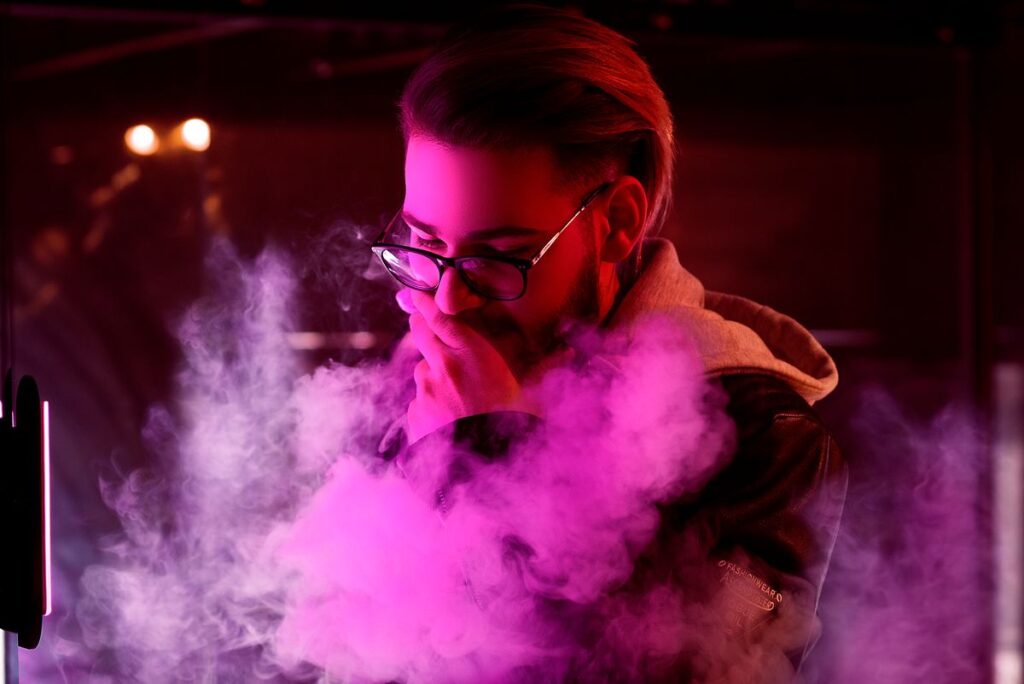
Lung health is the central health concern that most vapers and most people considering vaping think about first. The lungs are the primary site of vapour exposure, the organ system most directly comparable to the well-documented harms of cigarette smoke, and the focus of the most significant ongoing research into vaping safety. Understanding what the current evidence actually shows, as opposed to what media coverage often suggests, is important for anyone who vapes or is considering switching from cigarettes.
This guide presents the available evidence as accurately and honestly as possible, including areas of genuine uncertainty. It is not intended to provide medical advice, and anyone with existing respiratory conditions should discuss their vaping use with their GP.
The Comparison That Matters Most
For the majority of people who vape, the relevant health comparison is not between vaping and not using nicotine at all, but between vaping and continuing to smoke. This is because most adult vapers in Ireland and the UK are former smokers who switched to vaping as a harm reduction strategy. The question for them is not whether vaping has any lung effects, but whether those effects are less harmful than the lung effects of cigarettes.
On this comparison, the evidence is consistent and substantial. Cigarette smoke delivers a cocktail of thousands of toxic and carcinogenic compounds produced by the combustion of tobacco and rolling paper. These include carbon monoxide, hydrogen cyanide, formaldehyde, benzene, polycyclic aromatic hydrocarbons, nitrosamines, and heavy metals, among many others. Vaping aerosol contains none of the combustion products, because there is no combustion, and the number of potentially harmful compounds present is substantially lower.
Public Health England and the UK National Health Service have consistently maintained that vaping is approximately ninety-five percent less harmful than smoking, based on the best available evidence at the time of each assessment. This figure has been debated, and some researchers argue it overstates the certainty of current evidence, but the directional conclusion that vaping is substantially less harmful than smoking is not seriously contested in the mainstream health research community.
What Vaping Does to the Lungs
Vaping does affect the lungs, and pretending otherwise would be inaccurate. The inhaled aerosol contains ultrafine particles and compounds that the lungs must process, and this processing has measurable physiological effects. Research has found that vaping causes some degree of airway inflammation, produces changes in the function of certain lung immune cells, and may affect the mucociliary clearance mechanism that keeps the airways free of particulate matter.
These effects are smaller in magnitude than the equivalent effects of cigarette smoke, based on comparison studies, but they are not zero. Vapers who never smoked are not experiencing a neutral lung environment; they are experiencing a modified one. Whether these modifications are clinically significant over the long term is one of the major unanswered questions in the vaping research field.
The honest answer is that we do not yet have long-term data on the lung health outcomes of people who have vaped for twenty or thirty years, because vaping in its current form did not exist that long ago. The ten to fifteen years of data that are available show a profile that is dramatically better than smoking and better than most other forms of tobacco use, but the absence of longer-term data means that some uncertainty about very long-term effects is entirely appropriate.
EVALI: Understanding the 2019 Outbreak
The 2019 outbreak of e-cigarette or vaping product use-associated lung injury, known as EVALI, caused significant public concern and received extensive media coverage. Understanding what actually caused EVALI is important for vapers who are concerned about their lung health.
The investigation by the United States Centers for Disease Control and Prevention identified vitamin E acetate, used as a cutting agent in illicit THC vaping cartridges, as the primary cause of the outbreak. The overwhelming majority of EVALI cases involved products containing THC purchased through informal or illegal channels, not regulated nicotine-containing e-cigarettes of the type sold in Ireland and the UK. The regulatory framework that applies to vaping products in Ireland, including mandatory ingredient notification and limits on certain compounds, specifically excludes vitamin E acetate from compliant products.
This distinction is critical. EVALI was substantially a product of the US unregulated cannabis vaping market, not of the regulated European nicotine vaping market. The risk to Irish vapers using legally compliant products from licensed retailers is not comparable to the risk presented by the products responsible for the EVALI outbreak.
Specific Risk Factors for Vapers
Within the vaping population, certain behaviours and product choices are associated with higher lung risk than others. High wattage vaping, which produces more ultrafine particles per unit time, creates more aerosol to process per session. Vaping at temperatures above the optimal range for the coil resistance being used can produce degradation products from the e-liquid base compounds that are not present at appropriate temperatures.
Some flavouring compounds have been identified as potentially more harmful than others when inhaled. Diacetyl, a butter flavouring compound associated with the occupational lung disease bronchiolitis obliterans, was used in early e-liquids and is now absent from products supplied by reputable manufacturers in the European market. Certain cinnamaldehyde compounds used in cinnamon flavours have shown adverse effects on airway cells in laboratory settings. Reputable manufacturers have moved to reformulate problematic flavour compounds as the evidence has developed.
Buying from compliant retailers whose products have been notified to the HPRA and manufactured to appropriate standards is the most effective risk mitigation available to Irish vapers. Products that have not been through this process may contain compounds that compliant products do not, and the health risk profile of these unregulated products is genuinely unknown.